












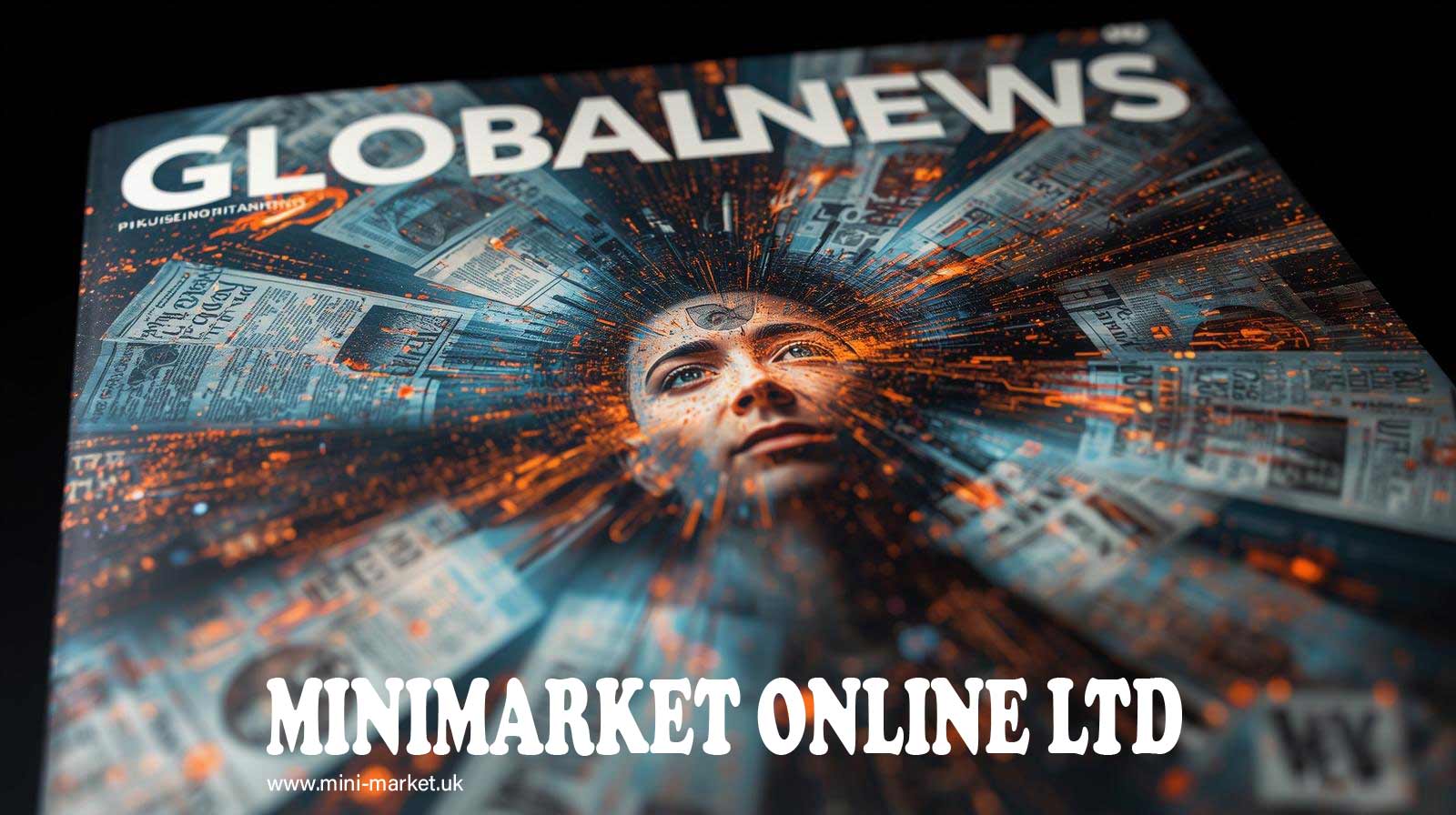
📰 MAIN HEADLINE — Major U.S.–Israel Military Strikes on Iran Escalate Regional Crisis
The United States and Israel launched a significant second day of air and missile strikes across Iran, centered on Tehran and strategic military sites, in an operation the White House says aims at dismantling Tehran’s military capabilities and preventing nuclear threats.
Iranian Supreme Leader Ayatollah Ali Khamenei has been reported killed, triggering widespread retaliation by Iranian forces via ballistic missiles and drones targeting Israel and U.S. bases in the Gulf.
The United Nations Security Council met in emergency session as the conflict widened, with global leaders urging de-escalation while condemnations and support split along geopolitical lines.
Regional airspace closures have led to major global airline disruptions, with over 700 flights cancelled or rerouted on Sunday.
This rapid buildup of hostilities represents the most volatile 48 hours in the region in decades and threatens ripple effects for global security, energy markets, and aviation.
🏛️ Politics & Geopolitics
🔹 International Response & Diplomacy
The UN Security Council convened urgently, focusing on the Iran conflict and pushing for urgent de-escalation.
Nations worldwide are mobilizing diplomatic channels and issuing travel advisories as tensions threaten to draw in neighboring states and global powers.
🔹 Regional Instability Beyond Iran
Border clashes between Pakistan and Afghanistan continue, with reports of significant military casualties.
Pro-Iran protests near U.S. consulates in Pakistan have turned violent, resulting in deaths.
Reuters reports Israel has hit Tehran again after joint U.S.–Israeli strikes killed Iran’s Supreme Leader Ayatollah Ali Khamenei and several senior figures, leaving Iran scrambling to rebuild its leadership in its biggest political crisis in five decades.
The same account says Iran launched hundreds of missiles and drones at U.S. forces, Israel and allied states in response to the initial strikes, damaging parts of Dubai’s airport and the Burj Al Arab and briefly prompting reports of casualties at Abu Dhabi’s Zayed International Airport.
Reuters says three U.S. service members were killed and five seriously wounded in the first phase of the Iran operation, the Pentagon’s first confirmed combat deaths in this campaign and a sign of the risks to U.S. troops deployed across the region.
Iran’s Revolutionary Guard has warned of “the most considerable retaliatory operation” yet against U.S. bases and Israel, while Iran’s UN ambassador told an emergency Security Council session that Iranian strikes were self‑defence against “countless” civilian deaths from U.S.–Israeli attacks.
Reuters notes that Russia and China condemned the U.S. and Israel at the UN, accusing them of “stabbing Iran in the back” while nuclear talks were still under way, as UN Secretary‑General António Guterres pleaded for an immediate halt to hostilities and lamented a “wasted” diplomatic chance.
In Athens, Reuters says more than a thousand anti‑war protesters marched on the U.S. and Israeli embassies, part of wider demonstrations erupting in multiple countries after the Iran strikes.
💼 Economy & Global Markets
📈 Market Volatility
Oil prices surged as the conflict threatens passage through the Strait of Hormuz, a strategic chokepoint for global energy shipments.
Stock markets in Europe and Asia opened lower amid heightened geopolitical risk, while safe-haven assets such as gold saw increases.
🌏 Broader Economic Developments
China’s National People’s Congress is expected to announce a historically low GDP growth target coupled with a strategic pivot toward high-tech sectors, signaling shifts in global economic momentum.
Corporate funding news continues separately, with major technology players securing large investments (e.g., OpenAI’s multibillion funding round discussed in the global economy context).
The IMF’s latest World Economic Outlook update projects global growth at 3.3% in 2026 and 3.2% in 2027, slightly higher than in the October 2025 forecast, citing technology investment and still‑accommodative financial conditions as offsets to trade‑policy and geopolitical headwinds.
The report says global inflation is expected to keep falling, but U.S. inflation is likely to return to target “more gradually,” with key downside risks including a reevaluation of tech/AI expectations and escalation of geopolitical tensions—now underscored by the Iran conflict.
Reuters’ markets‑watchlist analysis earlier this year flagged Fed succession, political risk and AI as core themes for 2026, with more than half of surveyed investors expecting a correction at some point during the year.
🌡️ Environment & Climate
Globally, climate change and adaptation planning remain key themes, and leaders are working to accelerate clean energy investments and reduce greenhouse gas emissions in line with recent international agreements.
Natural disaster readiness and community resilience were highlighted at international forums such as the Global Resilience Summit 2026.
UN‑linked climate assessments referenced in global coverage continue to highlight flood, drought and coastal‑erosion risks, warning that climate shocks are amplifying already‑severe food, energy and migration pressures in vulnerable regions.
🧬 Health & Social Issues
Public health awareness campaigns are under way worldwide, focusing on nutrition, mental health, and digital safety — part of broader efforts to build healthier communities.
In conflict zones, humanitarian agencies warn that disruptions to medical supplies and infrastructure will likely worsen health outcomes for civilians.
Iran’s UN envoy told the Security Council that “countless civilians” were killed or injured in the U.S.–Israeli assaults, while aid organisations are warning of mounting humanitarian needs in parts of Iran as well as ongoing crises in Gaza and other conflict zones.
Broad IMF guidance urges governments to rebuild fiscal buffers and preserve financial stability, arguing that social‑safety nets and health systems must be protected even as states respond to war‑related and climate‑related shocks.
🤖 Technology & Innovation
Discussions on AI governance and cybersecurity remain at the forefront of international policy dialogues, with countries emphasizing digital safety and ethical frameworks.
Tech investment and innovation ecosystems worldwide continue to evolve, with growth in areas like clean energy storage and high-tech industrial infrastructure.
The IMF update notes that technology and AI investment are central drivers of current growth, but flags the risk that markets may have over‑estimated near‑term AI payoffs, which could trigger repricing and volatility—as seen in February’s tech‑sector selloff.
⚽ Sports & Events
🥎 2026 World Baseball Classic
The 2026 World Baseball Classic — featuring 20 national teams — is scheduled to begin on March 5, with games set in Miami, Houston, San Juan, and Tokyo. The event also serves as Olympic qualification for the 2028 Los Angeles Games.
🎮 Culture & Entertainment Highlights
Gaming communities are celebrating seasonal events like the “Fortnite Love and Legends Power Hour” across global regions.
A wide slate of new TV and film premieres is set to debut in March, reflecting vibrant cultural trends.
🧠 Snapshot: Today’s Global Dynamics
| Category | Key Developments |
|---|---|
| Conflict & Security | Major U.S.–Israel attacks on Iran; retaliation shaping Middle East crisis |
| Economy | Markets volatile; strategic economic policy shifts in China |
| Environment | Climate action dialogues; resilience preparedness |
| Health & Society | Public health campaigns; humanitarian concerns in conflict areas |
| Tech & Innovation | AI ethics discourse; global tech investment trends |
| Sports & Culture | World Baseball Classic launch; entertainment premieres |
SUPPORT OUR WORK
Support our work today. Donate now to help us continue. DONATE NOW
Donate With Cryptocurrency. We accept donations in Bitcoin (BTC):